

2026 NSCA Performance Science Integration Summit
Join an Elite One-Day Gathering Dedicated to Advancing Applied Sport Science
March 28, 2026 | Austin, TX | In Person Only | 0.8 Category A CEUs
Overview
The 2026 NSCA Performance Science Integration Summit brings together innovators and industry leaders at the intersection of technology and coaching intuition. Sessions explore applied sport science research, targeted strength strategies, and leadership approaches that optimize performance outcomes across environments.
Collaborate with a community committed to integrated excellence, engage hands-on with technique, and leave with immediate solutions while earning 0.8 CEUs.
Event Highlights
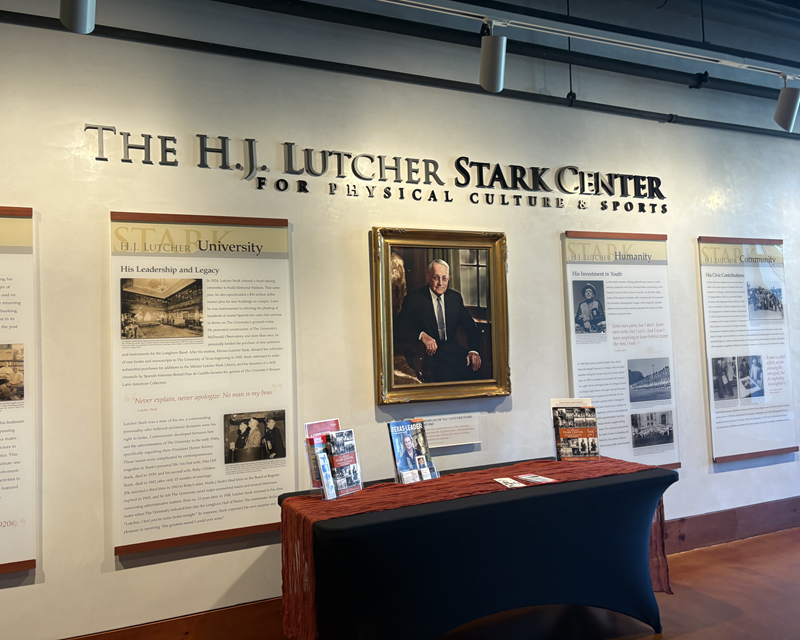
Stark Center Social & Tour
Friday, March 27 | 5:30 – 7:30 pm
Explore one of the most significant collections of sport science and strength history at the Stark Center for Physical Culture and Sports. Connect with fellow attendees and see the roots that shaped modern performance training.
Included with Registration
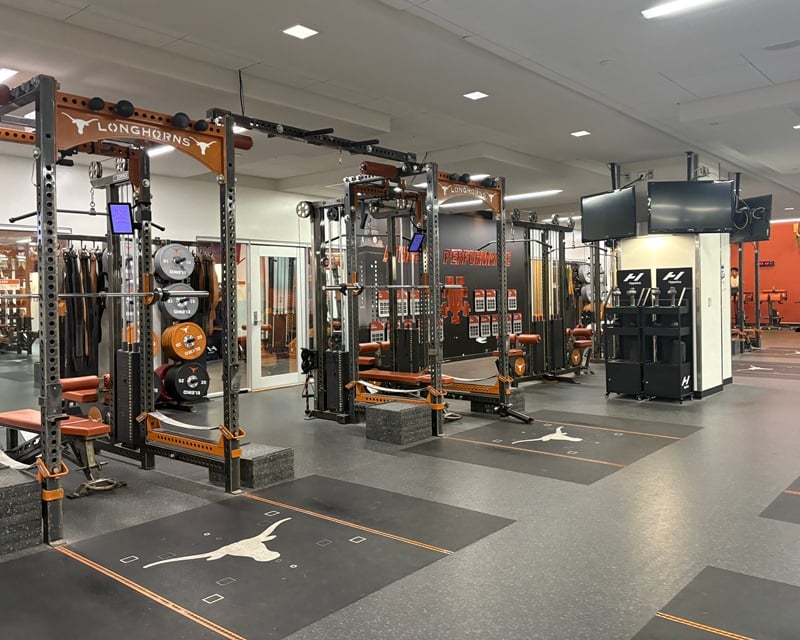
Football Weight Room Tour
Saturday, March 28 | 12:15 – 1:15 pm
See how an elite collegiate performance facility is designed to support high-level training. The Dr. Nasser Al-Rashid Strength Complex shows how space, equipment, and technology come together to drive athlete development.
Included with Registration
Supported by the Sport Science and Performance Technology SIG
This Summit is supported by the NSCA Sport Science and Performance Technology Special Interest Group (SIG), a community focused on advancing applied science, technology, and evidence-based performance.
Schedule
| Event Itinerary - Friday, March 27 |
|
5:30 PM - 7:30 PM Stark Center Social & Tour |
| Event Itinerary - Saturday, March 28 |
|
7:00 AM - 8:00 AM Social & Coffee |
|
8:00 AM - 8:50 AM Keynote: Passing the Torch — Building Collaboration Across Departments in Elite Sports by Bo Sandoval, MS, CSCS, RSCC*E
Lecture |
|
9:00 AM - 11:50 AM Group Sessions — Morning Rotation |
|
9:00 AM - 9:50 AM Bringing the JSCR to Life: Perspectives from the Editor in Chief of Advances in the Field by Nick Ratamess, PhD, CSCS, FNSCA
Lecture |
|
9:00 AM - 9:50 AM Applied Sport Science: Learn How UT Applies Athlete Monitoring and Data-Driven Decisions for Improved Athletic Performance by Travis Vlantes, MS
Hands-On |
|
10:00 AM - 10:50 AM Developing a Testing Battery by Madison Treece, PhD, CPSS
Lecture |
|
10:00 AM - 10:50 AM Advances in Performance Science and Training for Tactical Athletes by Jay Dawes, PhD, CSCS, NSCA-CPT, TSAC-F, FNSCA
Hands-On |
|
11:00 AM - 11:50 AM The Secret Sauce: Create Leaders and Mentally Strong Athletes by Donnie Maib
Lecture |
|
11:00 AM - 11:50 AM Starting Sports Science from the Ground Up by Peter Kenn, CSCS, RSCC
Lecture |
|
12:00 PM - 1:00 PM Lunch by Optional Tour of the Football Weight Room |
|
1:00 PM - 3:50 PM Group Sessions — Afternoon Rotation |
|
1:00 PM - 1:50 PM Bringing the JSCR to Life: Perspectives from the Editor in Chief of Advances in the Field by Nick Ratamess, PhD, CSCS, FNSCA
Lecture |
|
1:00 PM - 1:50 PM Applied Sport Science: Learn How UT Applies Athlete Monitoring and Data-Driven Decisions for Improved Athletic Performance by Travis Vlantes, MS
Hands-On |
|
2:00 PM - 2:50 PM Developing a Testing Battery by Madison Treece, PhD, CPSS
Lecture |
|
2:00 PM - 2:50 PM Advances in Performance Science and Training for Tactical Athletes by Jay Dawes, PhD, CSCS, NSCA-CPT, TSAC-F, FNSCA
Hands-On |
|
3:00 PM - 3:50 PM The Secret Sauce: Create Leaders and Mentally Strong Athletes by Donnie Maib
Lecture |
|
3:00 PM - 3:50 PM Starting Sports Science from the Ground Up by Peter Kenn, CSCS, RSCC
Lecture |
|
4:00 PM - 5:00 PM Keynote: Using Analytics to Guide Unconventional Programming in the Injury Prone Sport of Collegiate Gymnastics by Katie Guillory, CPSS, CSCS, RSCC*D
Lecture |
Venue & Hotel
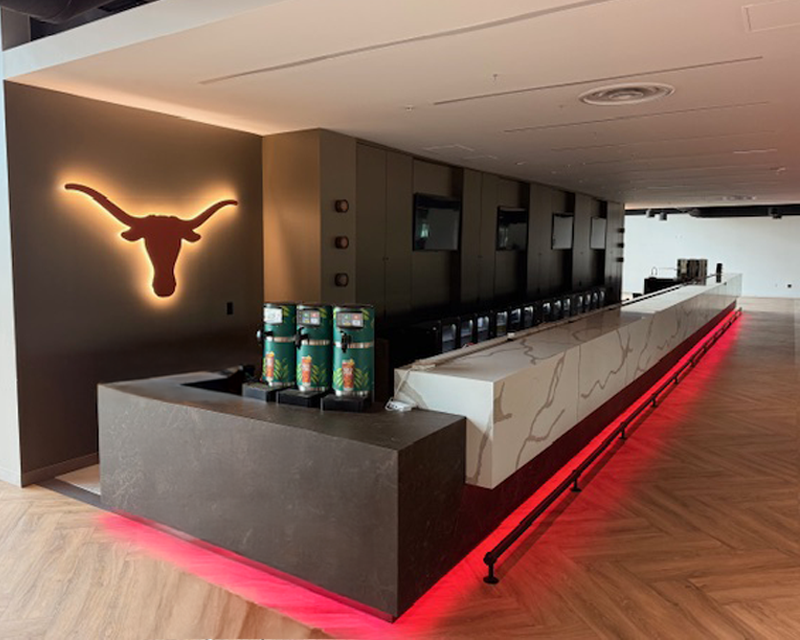
Held at the University of Texas at Austin
Train in and tour UT Austin’s elite performance facilities. Sessions take place in the Touchdown Club overlooking the stadium or hands-on in the weight room and practice courts.
Hosted by:
Ryan Keller, MS, CSCS,*D, NSCA-CPT,*D
(325) 665-5509
rkeller@rec.tamu.edu
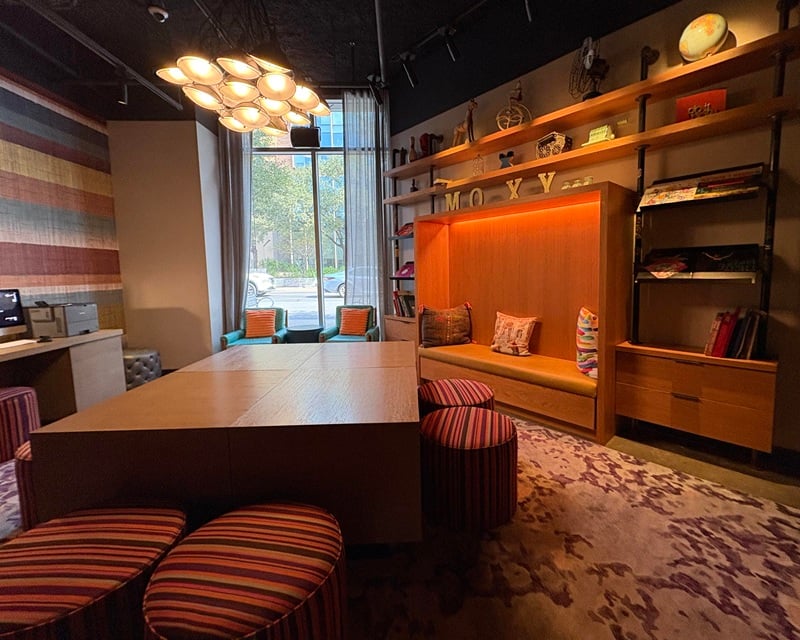
Stay at the Moxy Austin - University
Reserve your room at the Moxy, a 20-minute walk away from the venue under our $189 + taxes preferred NSCA rate, 2552 Guadalupe St, Austin, TX 78705.
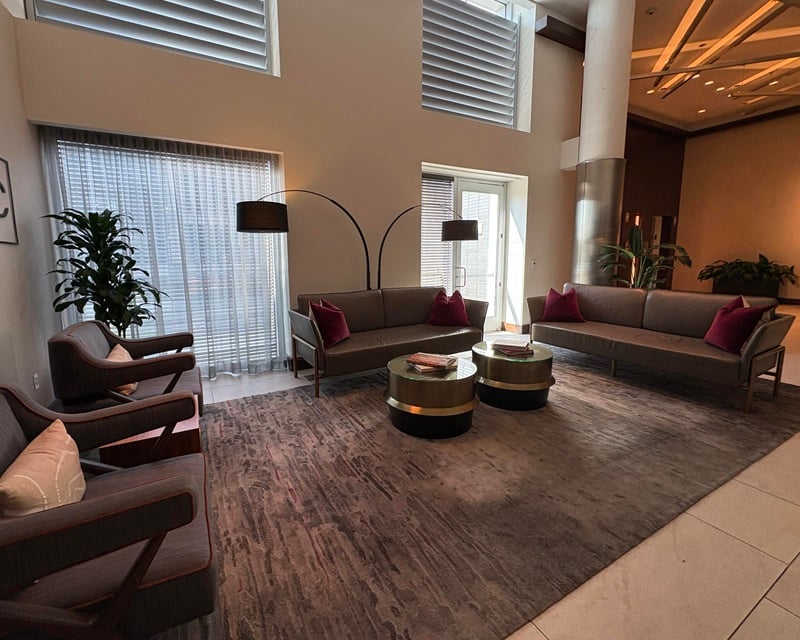
Stay AC Hotel Austin - University
Reserve your room at the AC Hotel , 15-minute walk away from the venue under our $209 + taxes preferred NSCA rate, 1901 San Antonio St, Austin, TX 78705.
Pricing
|
Early Bird Through March 11 |
Standard March 12 – On-Site |
|
|
Non-Member
|
$135 |
$185 |
|
Professional Member
|
$115 |
$165 |
|
Student Member
|
$50 |
$60 |
Earn 0.8 CEUs Category A toward the 2024 – 2026 NSCA recertification cycle.
Choose the Best Summit for You
All four Performance Summits run simultaneously across the country, each built around a specialized performance theme. Before registering, make sure this Summit best aligns with your goals and interests or revisit the topic lineup.
Summit Sponsors


FAQ
-
Do I need to attend all four Summits to earn 0.8 CEUs?
No. The 2026 NSCA Performance Science Integration Summit offers 0.8 CEUs (Category A) on its own. Because all Summits take place at the same time nationwide, you only need to attend the one you choose.
-
Is this Summit offered virtually?
No. The 2026 NSCA Performance Science Integration Summit is an in-person event only.
-
Where is this Summit held?
The 2026 NSCA Performance Science Integration Summit is held at the University of Texas at Austin. There is no virtual component.
-
Anti-Discrimination and Anti-Harassment
National Strength and Conditioning Association is dedicated to providing a harassment-free and discrimination-free experience for everyone at NSCA events. NSCA seeks to provide an event environment in which diverse attendees may learn, network and enjoy the company of colleagues in a professional atmosphere. NSCA does not tolerate discrimination or harassment of attendees in any form.
Policy & Procedures -
Cancellation Policy
Event Cancellation: Sign up by the early registration date to lock in early bird pricing and help ensure the clinic isn't cancelled due to low registration!
Individual Cancellation: All refund requests must be submitted in writing (email) and should state the reason for cancellation. No refunds will be accepted over the phone.
Email: conferences@nsca.com50% refund if postmarked on or before the early registration date.
No refund after the early registration date. -
Other Frequently Asked Questions
Will I receive the speaker PowerPoint presentations?
If they are available, you will receive them via email within 2 weeks after the event.Will I receive a Certificate of Attendance?
Yes. A certificate will be emailed to you approximately 2 weeks after the event.How do I report my CEUs?
The NSCA will automatically apply the CEUs to your NSCA Account. If you need to report CEUs elsewhere, you may use the Certificate of Attendance.Can anyone register for this event?
Yes. Anyone who is interested in an NSCA Event can register.Do I need a Membership to register?
Create Account
No. You only need an NSCA Account to register. If you do not have one, you can create one for free.

- Privacy Policy
- Your Privacy Choices

- Terms of Use
- Retraction and Correction Policy
- © 2026 National Strength and Conditioning Association